Archiwum
-
Tom 8 (2024)
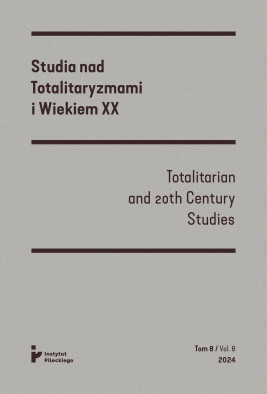
2026-07-20Dwujęzyczny, interdyscyplinarny rocznik, służący za forum dla międzynarodowej wymiany myśli, prezentowania wyników badań monograficznych, prac syntetyzujących czy refleksji metodologicznej. Poświęcony studiom nad XX wiekiem, a w szczególności nad problematyką totalitaryzmów.
Rada naukowaprof. Grzegorz Berendt, Uniwersytet Gdański
Redaktor naczelny
prof. Richard Butterwick-Pawlikowski, University College London
prof. Paweł Kaczorowski, Uniwersytet Kardynała Stefana Wyszyńskiego w Warszawie
prof. Marek Kornat, Instytut Historii Pan
prof. Mark Kramer, Harvard University
prof. Piotr Madajczyk, Instytut Studiów Politycznych PAN
prof. Joanna Nowakowska-Małusecka, Uniwersytet Śląski
prof. Dan Plesch, SOAS University of London
prof. Alexandra Richie, Collegium Civitas
prof. Paweł Skibiński, Uniwersytet Warszawski
prof. Aleks Szczerbiak, University of Sussexprof. Magdalena Gawin
Zastępcy redaktora naczelnegodr Bartłomiej Kapica, dr Krystian Wiciarz
Redakcjaprof. dr hab. Witold Stankowski, prof. SGH dr hab. Andrzej Zawistowski, prof. IP dr hab. Tomasz Chinciński, dr John Cornell, dr Jerzy Rohoziński, dr Dominika Uczkiewicz, dr Agnieszka Konik (sekretarz redakcji), Joanna Adamczyk (redaktor prowadzący), Urszula Turbiak
Recenzenciprof. Krzysztof Brzechczyn, dr Alicja Bartnicka, dr hab. Tomasz Ceran, prof. Joachim Diec, prof. Andrzej Gąsiorowski, dr Konrad Graczyk, prof. Mirosław Golon, prof. Wanda Jarząbek, prof. Aleksander Lasik, dr Piotr Setkiewicz, dr Barbara Świtalska-Starzeńska, dr Maciej Wyrwa
TłumaczenieAleksandra Arumińska, Dominika Gajewska, Ian Stephenson, Maciej Zakrzewski
Sklep wydawnictwa: -
Tom 7 (2023)
2025-09-21Dwujęzyczny, interdyscyplinarny rocznik, służący za forum dla międzynarodowej wymiany myśli, prezentowania wyników badań monograficznych, prac syntetyzujących czy refleksji metodologicznej. Poświęcony studiom nad XX wiekiem, a w szczególności nad problematyką totalitaryzmów.
Rada naukowa
prof. Grzegorz Berendt, Uniwersytet Gdański
prof. Richard Butterwick-Pawlikowski, University College London
prof. Paweł Kaczorowski, Uniwersytet Kardynała Stefana Wyszyńskiego w Warszawie
prof. Marek Kornat, Instytut Historii Pan
prof. Mark Kramer, Harvard University
prof. Piotr Madajczyk, Instytut Studiów Politycznych PAN
prof. Joanna Nowakowska-Małusecka, Uniwersytet Śląski
prof. Dan Plesch, SOAS University of London
prof. Alexandra Richie, Collegium Civitas
prof. Paweł Skibiński, Uniwersytet Warszawski
prof. Aleks Szczerbiak, University of Sussex
Redaktor naczelny
prof. Magdalena Gawin
Zastępcy redaktora naczelnego
dr Bartłomiej Kapica, dr Krystian Wiciarz
Członkowie redakcji
prof. dr hab. Witold Stankowski, prof. SGH dr hab. Andrzej Zawistowski, prof. IP dr hab. Tomasz Chinciński, dr John Cornell, dr Jerzy Rohoziński, dr Dominika Uczkiewicz, dr Mateusz Werner, dr Agnieszka Konik (sekretarz redakcji), Joanna Adamczyk (redaktor prowadzący), Urszula Turbiak
Recenzenci
dr Sebastian Adamkiewicz, prof. UZ dr hab. Radosław Domke, dr Filip Gańczak, dr Bartosz Gromko, prof. dr hab. Włodzimierz Jastrzębski, dr Tomasz Lachowski, dr Joanna Kurczab, prof. dr hab. Piotr Niwiński, dr hab. Mariusz Mazur, dr Dmitriy Panto, dr hab. Marek Romaniuk, dr Bogumił Rudawski, prof. dr hab. Jan Wiktor Sienkiewicz, prof. dr hab. Tadeusz Wolsza, prof. UwB dr hab. Jaroslav Volkonovski
Tłumaczenie
Aleksandra Arumińska, Ian Stephenson, Maciej Zakrzewski
Redakcja językowa, korekta
Joanna Adamczyk, Aleksandra Arumińska, Ingeborga Jaworska-Róg, Julia Niedzielko
Projekt okładki i opracowanie graficzne
Beata Danowska
Skład i łamanie
Zofia Herbich
Sklep wydawnictwa: -
Tom 6 (2022)
2025-09-23Dwujęzyczny, interdyscyplinarny rocznik, służący za forum dla międzynarodowej wymiany myśli, prezentowania wyników badań monograficznych, prac syntetyzujących czy refleksji metodologicznej. Poświęcony studiom nad XX wiekiem, a w szczególności nad problematyką totalitaryzmów.
W najnowszym tomie na pierwszy plan wysuwają się historia gospodarcza Polski w okresie naznaczonym panowaniem totalitaryzmów niemieckiego nazistowskiego i sowieckiego oraz podporządkowanych Moskwie rządów komunistycznych, powojenne rozliczenia oraz poszukiwanie sprawiedliwości, a także okupacyjny system represji. Nierzadko te zagadnienia przenikają się, tworząc całościową mozaikę procesów wpływających na XX-wieczne dzieje polityczne Europy Środkowo-Wschodniej. Stąd zamiarem redakcji było ukazanie ich w szerokiej perspektywie transnarodowej, dzięki której zależność historii lokalnych oraz losów jednostek od politycznych uwarunkowań zewnętrznych byłaby wyraźnie widoczna.
Rada naukowa
prof. Grzegorz Berendt
prof. Paweł Kaczorowski
prof. Marek Kornat
prof. Piotr Madajczyk
prof. Joanna Nowakowska-Małusecka
prof. Tadeusz Panecki
prof. Alexandra Richie
prof. Paweł Skibiński
prof. Aleks SzczerbiakRedaktor naczelny
dr Wojciech KozłowskiRedakcja
prof. dr hab. Witold Stankowski, prof. SGH dr hab. Andrzej Zawistowski, dr John Cornell, dr Jerzy Rohoziński, dr Justyna Stępień, dr Dominika Uczkiewicz, dr Mateusz Werner, dr Krystian Wiciarz, dr Agnieszka Konik (sekretarz redakcji), Joanna Adamczyk (redaktor prowadzący)Recenzenci
dr Aleksandra Arkusz, prof. UwB dr hab. Daniel Boćkowski, dr Anna Grużlewska, dr hab. Edyta Majcher-Ociesa, prof. UJ dr hab. Janusz Mierzwa, dr Marcin Przegiętka, dr Michał Przeperski, dr hab. Marek Romaniuk, dr Bogumił Rudawski, prof. dr hab. Józef Smoliński, dr Aleksandra Sylburska, prof. UJ dr hab. Andrzej Synowiec, prof. UP dr hab. Anna ZapalecPrzekład
Aleksandra Arumińska, Julia Niedzielko, Ian Stephenson, Maciej Zakrzewski
Sklep wydawnictwa: -
Tom 5 (2021)
2025-09-23„Studia nad Totalitaryzmami i Wiekiem XX” to dwujęzyczny (polsko-angielski), interdyscyplinarny rocznik wydawany przez Instytut Pileckiego, służący za forum dla międzynarodowej wymiany myśli, prezentowania wyników badań monograficznych, prac syntetyzujących czy refleksji metodologicznej. Poświęcony studiom nad XX wiekiem, a w szczególności nad problematyką totalitaryzmów.
W najnowszym tomie zostały poruszone zagadnienia związane z pierwszymi latami II wojny światowej, okresem, w którym systemy totalitarne III Rzeszy i Związku Sowieckiego rościły sobie prawa do anihilacji ówczesnego porządku i budowy na jego gruzach „nowego ładu”. Zakres tematyczny jest dość szeroki, obejmuje bowiem wypadki z wielu krajów Europy, a także spoza kontynentu.
Rada naukowa
prof. Grzegorz Berendt
prof. Paweł Kaczorowski
prof. Marek Kornat
prof. Stephan Lehnstaedt
prof. Piotr Madajczyk
prof. Joanna Nowakowska-Małusecka
prof. Tadeusz Panecki
dr hab. Paweł Skibiński
prof. Aleks SzczerbiakRedaktor naczelny
dr Wojciech KozłowskiRedakcja
Mateusz Fałkowski, dr Marcin Panecki, dr Jerzy Rohoziński, dr Martyna Rusiniak-Karwat, prof. dr hab. Witold Stankowski, dr Justyna Stępień, dr Mateusz Werner, dr Krystian Wiciarz, dr Mariola Serafin (sekretarz redakcji), Joanna Adamczyk (redaktor prowadzący)Recenzenci
dr Olga Barbasiewicz, dr hab. Grzegorz Bębnik, dr hab. Tomasz Gajownik, dr Magdalena Heruday-Kiełczewska, dr Hubert Mielnik, prof. KUL dr hab. Agata Mirek, dr hab. Małgorzata Mizerska-Wrotkowska, dr Joanna Nikel, dr Monika Polit, dr hab. Marek Romaniuk, dr Bogumił Rudawski, dr hab. Tadeusz Paweł Rutkowski, prof. dr hab. Jan Henryk Sienkiewicz, prof. dr hab. Józef Smoliński, prof. UJ dr hab. Joanna Sondel-Cedarmas, prof. dr hab. Jakub Tyszkiewicz, dr hab. Elżbieta Wojcieszyk, prof. dr hab. Jakub Wojtkowiak, dr Maciej Wyrwa, prof. dr hab. Wiesław Jan Wysocki, prof. UKSW ks. dr hab. Dominik ZamiatałaPrzekład
Aleksandra Arumińska, Maciej Grabski, Łukasz Plęs, Ian Stephenson
Sklep wydawnictwa: -
Tom 4 (2020)
2025-09-21Tematyka artykułów koncentruje się wokół kilku osi problematycznych. W odniesieniu do okresu bezpośrednio poprzedzającego najazd wojsk niemieckich i sowieckich na Polskę Wojciech Łysek omawia kwestię polskiego prometeizmu na wschodzie Europy w korelacji z upadkiem II RP. Z kolei Marek Rodzik przedstawia genezę brytyjskich gwarancji dla Polski z marca 1939 roku, doszukując się głównej przyczyny ich udzielenia w złamaniu przez Adolfa Hitlera układu monachijskiego. Kooperacja Wstęp 11 Wstęp polsko-brytyjska, mimo braku realnej pomocy dla Polski napadniętej przez Niemców, była kontynuowana w kolejnych latach, również na polu militarnych operacji specjalnych, co wnikliwie opisują Anna Zapalec oraz Jacek Tebinka. Agresja wojsk III Rzeszy na Polskę cechowała się wyjątkową brutalnością, a popełniane przez Niemców zbrodnie wskazywały na to, że to nie podbój terytorialny był ich dominującym celem, co przekonująco przedstawia Roger Moorhouse. Analizę jednej z takich zbrodni przeprowadził Tomasz Ceran, umieszczając ją w kontekście ludobójstwa, a z kolei Mikołaj Getka-Kenig zrekonstruował proces niszczenia zabytkowej architektury Krakowa w okresie niemieckiej okupacji tego miasta. „Woluntaryzm” w popełnianiu przestępstw i zbrodni przez najeźdźców w żadnym razie nie mieścił się w międzynarodowych ramach prawnych, co przedstawił Marcin Marcinko. Stephan Lehnstaedt opisał natomiast problem pamięci historycznej w Niemczech dotyczącej zbrodni popełnianych w czasie ataku zbrojnego na Polskę. Omawiając wielorakie aspekty skutków wojny, nie należy zapominać o rozbiciu walczącej z Niemcami polskiej armii i co za tym idzie – konieczności odtworzenia jej struktur za granicą. Koleje losu polskich żołnierzy były różnorakie. Do miejsc, do których trafili, należała również Afryka Południowa, a o jej ówczesnym postrzeganiu przez Polaków pisze Paulina Stanik. Zresztą w konflikcie totalnym, jakim była II wojna światowa, rzadkością były miejsca nią niedotknięte. Nie uniknęła tego również Tunezja, opanowana przez kolaborujący z III Rzeszą reżim Vichy, a potem przez wojska niemieckie i włoskie. O tym, jak ukazujące się w tym kraju żydowskie gazety postrzegały propagowany przez III Rzeszę i jej aliantów antysemityzm, a także jak wpływał on na sytuację Żydów w samej Tunezji, pisze Mohsen Hamli. Pamięć o represjach antyżydowskich w Tunezji przedstawiła natomiast Habiba Boumlik. Wreszcie Ákos Bartha zaprezentował szerokie spektrum antynazistowskiej polityki na Węgrzech, oficjalnie będących sojusznikiem III Rzeszy. Całość wieńczy tekst Macieja Zakrzewskiego poświęcony toczonym w Republice Weimarskiej dyskusjom na temat sprzężenia techniki z masami. Należący do varia tekst Agnieszki Konik jest poświęcony podsumowaniu projektu badawczego prowadzonego przez Instytut. Autorka w kontekście post-pamięci omawia zawartość ankiet wypełnionych przez członków rodzin osób upamiętnionych w ramach projektu „Zawołani po imieniu”.
Rada naukowa
Grzegorz Berendt
Paweł Kaczorowski
Marek Kornat
Hanna Kuczyńska
Stephan Lehnstaedt
Piotr Madajczyk
Joanna Nowakowska-Małusecka
Tadeusz Panecki
Alexandra Richie
Paweł Skibiński
Redaktor naczelny
Wojciech Kozłowski
Redakcja
Mateusz Fałkowski, Marcin Panecki, Jerzy Rohoziński, Martyna Rusiniak-Karwat, Witold Stankowski, Bartłomiej Kapica, Joanna Adamczyk
Recenzenci
dr hab. Grzegorz Bębnik, dr John Cornell, prof. UAM dr hab. Łukasz Donaj, prof. UŁ dr hab. Andrzej Dubicki, dr hab. Tomasz Gajownik, dr Maciej Herbut, dr Aleksandra Kmak-Pamirska, dr Hubert Mielnik, dr Joanna Nikel, prof. UAM dr hab. Piotr Okulewicz, dr Monika Polit, dr Michał Przeperski, prof. dr hab. Waldemar Rezmer, dr Konrad Rokicki, prof. dr hab. Krystyna Romaniszyn, dr hab. Marek Romaniuk, dr Bogumił Rudawski, dr hab. Tadeusz Paweł Rutkowski, prof. dr hab. Jan Henryk Sienkiewicz, prof. dr hab. Józef Smoliński, prof. UJ Joanna Sondel-Cedarmas, dr Piotr Stanek, prof. dr hab. Krzysztof Tarka, prof. dr hab. Jakub Tyszkiewicz, dr hab. Jakub Wojtkowiak, prof. dr hab. Wiesław Jan Wysocki, prof. dr hab. Janusz Zuziak
Sklep wydawnictwa: -
Tom 3 (2019)
2025-09-21Dwujęzyczny, interdyscyplinarny rocznik, służący za forum dla międzynarodowej wymiany myśli, prezentowania wyników badań monograficznych, prac syntetyzujących czy refleksji metodologicznej. Poświęcony studiom nad XX wiekiem, a w szczególności nad problematyką totalitaryzmów. W najnowszym tomie zostały poruszone zagadnienia związane z Holokaustem Żydów polskich, m.in. różne formy oporu ludności żydowskiej wobec działań Niemców, udział Kedywu AK w buncie więźniów obozu w Treblince, pomoc polskiego rządu dla Żydów zbiegłych z okupowanej Polski do Szanghaju czy demograficzna charakterystyka zbiorowości polskich Żydów, którzy ocaleli z Zagłady.
Rada naukowa
Grzegorz Berendt
Paweł Kaczorowski
Marek Kornat
Hanna Kuczyńska
Stephan Lehnstaedt
Piotr Madajczyk
Joanna Nowakowska-Małusecka
Tadeusz Panecki
Alexandra Richie
Paweł Skibiński
Redaktor naczelny
dr Wojciech Kozłowski
Redakcja
Martyna Rusiniak-Karwat, Mateusz Fałkowski, Marcin Panecki, Jerzy Rohoziński, Witold Stankowski, Monika Giemeła (sekretarz redakcji), Joanna Adamczyk (redaktor prowadzący)
Recenzenci
Olga Barbasiewicz, Adrianna Bartnik, Grzegorz Bębnik, Zbigniew Romek, Tadeusz Rutkowski, Paweł Skibiński, Jakub Tyszkiewicz, Joshua Zimmerman
Sklep wydawnictwa: -
Tom 2 (2018)
2025-09-21Niniejszy, dwujęzyczny tom „Studiów” dotyczy przede wszystkim polityki Niemców oraz ich sojuszników prowadzonych w czasie II wojny światowej wobec przedstawicieli elit okupowanych państw. Wśród poruszonych tematów znalazły się między innymi represje wobec profesorów Uniwersytetu w Belgradzie, losy polskiego duchowieństwa więzionego w KL Gusen, eksterminacja Serbów w Niezależnym Państwie Chorwackim, zaangażowanie sowieckich inteligentów w ruch generała Własowa oraz egzekucje księży przeprowadzanych na zamku w Hartheim.
Rada naukowa
Grzegorz Berendt
Paweł Kaczorowski
Marek Kornat
Hanna Kuczyńska
Stephan Lehnstaedt
Piotr Madajczyk
Joanna Nowakowska-Małusecka
Tadeusz Panecki
Alexandra Richie
Paweł Skibiński
Redaktor naczelny
dr Wojciech Kozłowski
Redakcja
Piotr Biliński, Mateusz Fałkowski, Marcin Panecki, Jerzy Rohoziński, Martyna Rusiniak-Karwat, Monika Giemeła (sekretarz redakcji), Joanna Adamczyk (redaktor prowadzący)
Recenzenci
Olga Barbasiewicz, Adrianna Bartnik, Grzegorz Bębnik, Sabina Bober, Zbigniew Romek, Tadeusz Rutkowski, Jakub Tyszkiewicz, Joshua Zimmerman
Sklep wydawnictwa: -
Tom 1 (2017)
2025-09-21Zawartość niniejszego tomu „Studiów” nawiązuje do fundamentalnych problemów badawczych i historiograficznych, znajdujących się w centrum zainteresowań Instytutu Pileckiego. Obejmują one charakter i specyfikę polskiego doświadczenia zderzenia z totalitarnymi reżimami, w szczególności z niemiecką polityką okupacyjną względem polskich obywateli, oraz kluczowe wyzwania dotyczące badań nad II wojną światową i jej znaczeniem we współczesnym świecie, zwłaszcza w wymiarze kultury pamięci i edukacji historycznej.
W tomie znajdują się zarówno polskie, jak i angielskie wersje artykułów.Rada naukowa
Grzegorz Berendt
Paweł Kaczorowski
Marek Kornat
Hanna Kuczyńska
Stephan Lehnstaedt
Piotr Madajczyk
Joanna Nowakowska-Małusecka
Tadeusz Panecki
Alexandra Richie
Paweł Skibiński
Redaktor naczelny
dr Wojciech Kozłowski
Redakcja
Piotr Biliński, Mateusz Fałkowski, Marcin Panecki, Jerzy Rohoziński, Martyna Rusiniak-Karwat, Monika Giemeła (sekretarz redakcji)
Recenzenci
Grzegorz Bębnik, Mateusz Fałkowski, Hanna Kuczyńska, Stephan Lehnstaedt, Marcin Panecki, Martyna Rusiniak-Karwat, Paweł Skibiński
Sklep wydawnictwa: